
UCF Researcher Boosts Florida Scrub Jay Recovery with Genetics
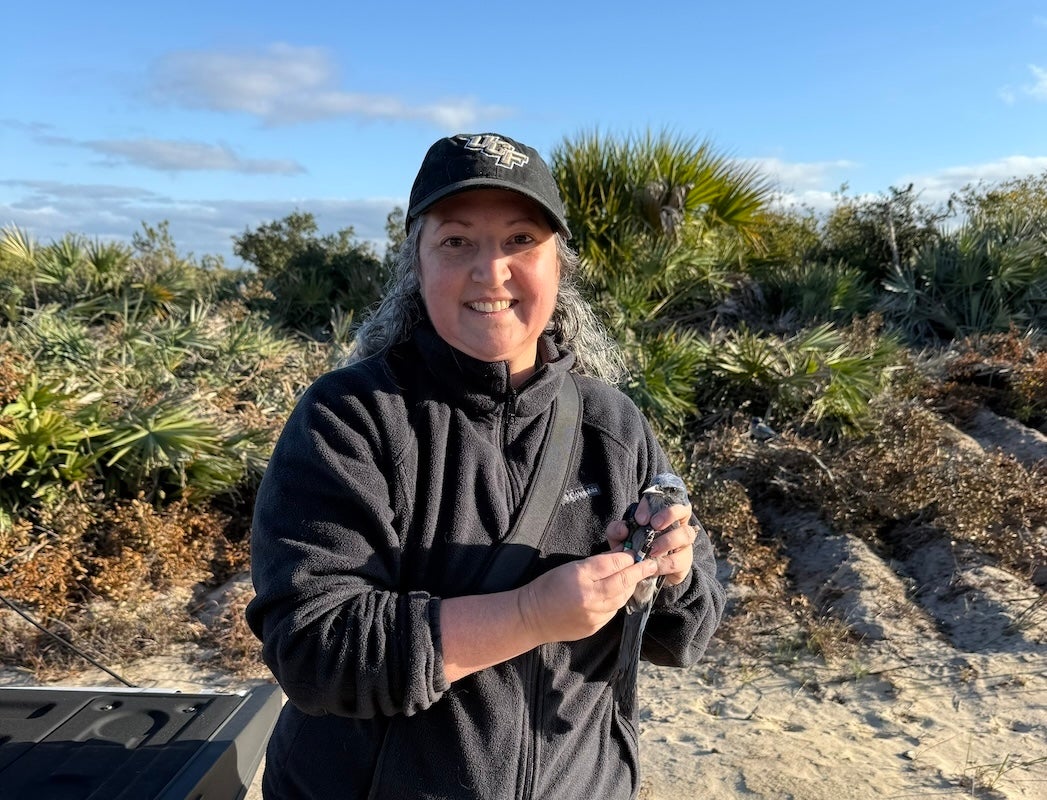
Orlando, FL – A University of Central Florida doctoral researcher is using conservation genomics to bolster the recovery of the endangered Florida scrub jay population. Biologist Lauren Deaner, with nearly two decades of experience studying the species, is investigating how genetics, behavior and population dynamics affect long-term recovery efforts.
Deaner's dissertation centers on a novel Florida scrub jay translocation project. This initiative examines genetic rescue, a conservation strategy that introduces individuals from other populations to increase genetic diversity and improve the health of struggling groups. The work builds on regional recovery efforts that began in the late 1990s through mitigation led by the Mosaic Company, guided by avian biologist Reed Bowman.
Researchers moved 48 Florida scrub jays to a new recipient site, filling it to its estimated carrying capacity. This marked a departure from previous translocations, which typically involved fewer birds moved over several years. All 48 birds hatched in 2025, minimizing age-related competitive advantages.
Six months after the translocation, Deaner observed promising signs. Florida scrub jays usually begin breeding at two or three years old. Historical data from Archbold Biological Station and local populations showed fewer than 0.25% of nesting attempts involved pairs of one-year-old birds. At the recipient site, however, four of the ten newly formed pairs of one-year-old birds attempted to nest this year, a 40% rate. Researchers anticipated that about half the groups would include young birds as helpers, but most translocated birds sought their own breeding positions.
This early breeding activity is crucial because genetic rescue relies on translocated birds establishing themselves, reproducing and passing their genetic variation into the recipient population. While long-term effects remain to be studied, these nesting attempts allow researchers to begin observing genetic integration.
The research combines genomic data, which examines genetic variation among source populations, with long-term field monitoring of survival, reproduction, territory establishment, dispersal and population growth. The team uses Vortex population viability analysis software to assess how genetic, environmental and demographic factors could affect the species' long-term survival. Birds also carry RFID tags, and feeding stations require jays to stand on an antenna for peanuts, allowing Deaner to track visits and social feeding behavior, including patterns that may indicate pair formation.
Deaner conducts her research in UCF Department of Biology Chair and Professor Eric Hoffman’s Conservation Genomics Lab. She presented preliminary findings at the International Conservation Translocation Conference in Edinburgh, Scotland, last September.


Discussion (0)
Join the Conversation
No comments yet. Be the first to comment!