
UCF Anthropologist Studies Culture & Identity Through Food
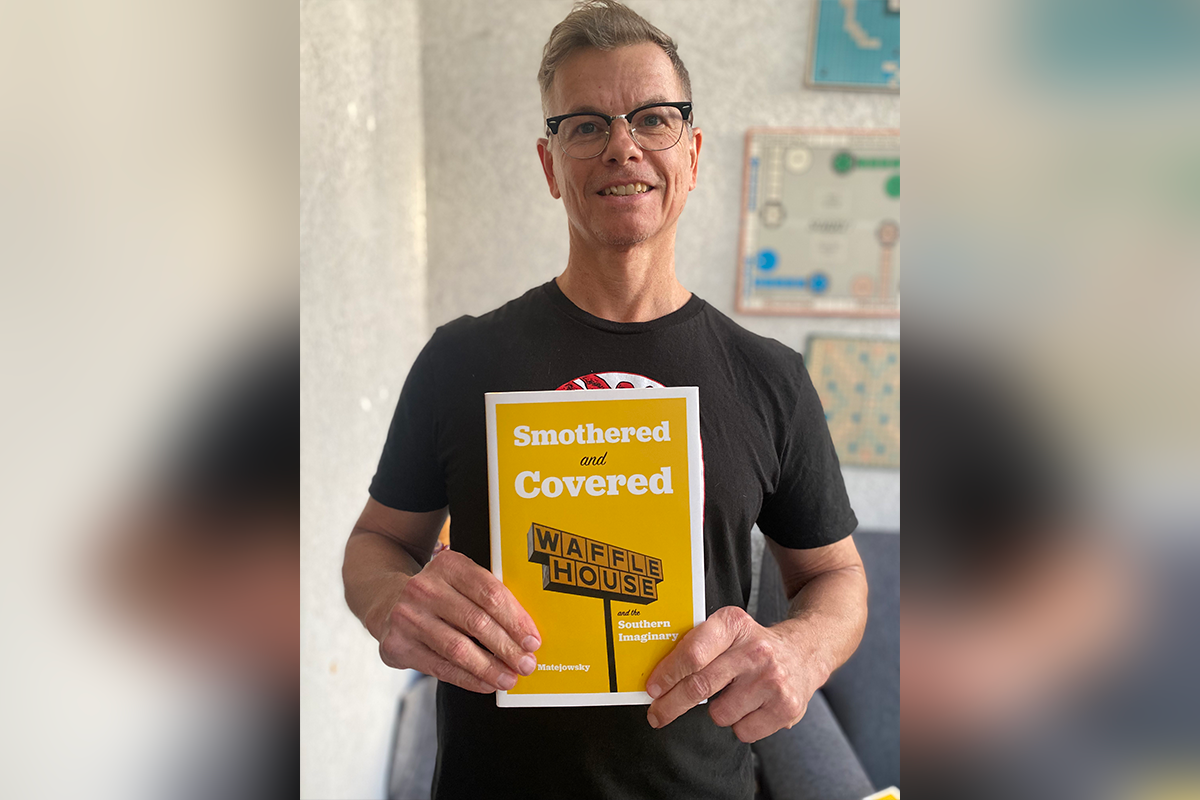
Ty Matejowsky, chair of the University of Central Florida's Anthropology Department, studies how food and restaurants reveal human behavior and cultural identity. His decades of research span from the Philippines to the United States.
Matejowsky's work shows how familiar dining experiences reflect broader cultural patterns. He authored three books on food, restaurants and culture, including Risqué Business, which examines Hooters' role in American culture. Matejowsky considers restaurants 'third spaces' where private and public life intersect, offering insights into the deeper meanings people attach to food and dining.
"Anthropology is interested in all aspects of what it means to be human, both in the past and the present," Matejowsky said. He noted that what people eat, how and where they eat reveals social status, background and sophistication.
His interest in fast food began with exploring globalization's influence on food culture. In the Philippines, he studied how Western institutions and beliefs adapted locally, observing how McDonald's became a representation of the country. Now, Jollibee, a Filipino fast-food chain, expands into the United States, with a location near UCF's main campus on East Colonial Drive in Orlando. Matejowsky sees this as an example of cultural influences moving in multiple directions, where adapted ideas gain new cultural meanings.
Matejowsky's research on Waffle House, detailed in his book Smothered and Covered, examines how cultural associations shape identity. He points out that while Waffle House is widely recognized as a symbol of the South, the company did not actively promote this association; the connection grew through public understanding of the restaurant's place within regional culture. He contrasted this with other Southern-originated companies like Walmart, Home Depot, Coca-Cola and Krispy Kreme, which lack the same specific regional identity.
Beyond menu items, Matejowsky considers how restaurant design, atmosphere and social expectations shape experiences. He aims to deconstruct unspoken ideas about these establishments to understand why they connect with people. His work also explores how food connects people and establishes cultural boundaries. Eating another culture's food, such as the Filipino delicacy balut, can signify an appreciation or willingness to engage with unfamiliar cultures.
Matejowsky makes anthropology accessible by using everyday dining experiences to explore complex cultural dynamics.



Discussion (0)
Join the Conversation
No comments yet. Be the first to comment!