
other
1 min read
Watermelon Swim Debunks Drowning Myths in Wesley Chapel
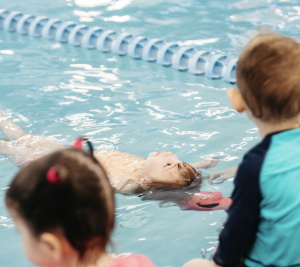
Wesley Chapel's Watermelon Swim is correcting common water safety myths that can endanger swimmers. The local swim school emphasizes that understanding these misconceptions is vital for safety around pools and open water.
Watermelon Swim debunks the myth that drowning is always noisy. The organization states that most drownings occur silently, with victims quickly submerging without a splash. This highlights the need for constant, undistracted supervision of children and adults near water. Relying only on hearing distress signals is dangerous, as drowning can happen in seconds.
Another misconception is that someone is always watching, even in crowded situations or with a lifeguard present. Watermelon Swim stresses that lifeguards' visibility can be hampered by sun glare and crowds. The school advocates for a designated "water watcher" at every swim session, free from distractions like phones.
The myth that strong swimmers can safely swim alone is also incorrect. Unexpected medical events or slips can turn a routine swim into an emergency, making a buddy or lifeguard essential. Water safety extends beyond pools; drowning can occur in shallow water. Children under one year old have drowned in bathtubs, and kiddie pools, buckets, and puddles pose risks to young children. Continuous supervision and prompt emptying of water containers are necessary.
Watermelon Swim also recommends bright swimsuit colors to increase children's visibility in the water, especially in crowded or dark bodies of water.
Finally, Watermelon Swim advises against believing one season of swim lessons is enough. Water comfort and skills require year-round maintenance, as abilities fade without practice and children grow. Consistent lessons provide a lifelong investment in family water safety.
Watermelon Swim debunks the myth that drowning is always noisy. The organization states that most drownings occur silently, with victims quickly submerging without a splash. This highlights the need for constant, undistracted supervision of children and adults near water. Relying only on hearing distress signals is dangerous, as drowning can happen in seconds.
Another misconception is that someone is always watching, even in crowded situations or with a lifeguard present. Watermelon Swim stresses that lifeguards' visibility can be hampered by sun glare and crowds. The school advocates for a designated "water watcher" at every swim session, free from distractions like phones.
The myth that strong swimmers can safely swim alone is also incorrect. Unexpected medical events or slips can turn a routine swim into an emergency, making a buddy or lifeguard essential. Water safety extends beyond pools; drowning can occur in shallow water. Children under one year old have drowned in bathtubs, and kiddie pools, buckets, and puddles pose risks to young children. Continuous supervision and prompt emptying of water containers are necessary.
Watermelon Swim also recommends bright swimsuit colors to increase children's visibility in the water, especially in crowded or dark bodies of water.
Finally, Watermelon Swim advises against believing one season of swim lessons is enough. Water comfort and skills require year-round maintenance, as abilities fade without practice and children grow. Consistent lessons provide a lifelong investment in family water safety.
Related Topics
Editorial Transparency
Original ReportingArticle Ratings
Factual
0.0
Likeable
0.0
Bias
0.0
Objective
0.0

Discussion (0)
Join the Conversation
No comments yet. Be the first to comment!