
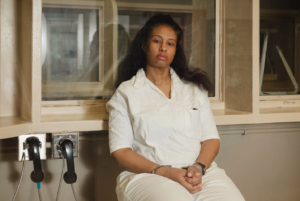
Texas Woman Advocates for Incarcerated Menopause Care
An incarcerated Texas woman is advocating for improved menopause care in state prisons, citing personal experience with dismissive medical staff and a lack of resources. The movement highlights a growing demographic of older women behind bars and a national deficit in specific menopause policies within correctional facilities.
Advertisement
Riverview — Kwaneta Harris, incarcerated in a Texas state prison since 2022, experienced confusing symptoms in her late 40s, including shoulder pain, memory loss, heart palpitations, thinning hair and mood swings. After specialist visits and long bus rides to medical facilities, she connected her ailments to menopause after hearing a neuroscientist on NPR explain the symptoms. "It was like clicking a puzzle again," Harris told The 19th. "And it was so relieving because I really thought I was losing my mind."
Harris encountered what she described as a dismissal of her symptoms and a lack of urgency from prison medical staff. She realized that menopause care within correctional facilities, like much of prison healthcare, suffers from insufficient resources and delayed treatment. This spurred Harris to seek solutions for the growing population of incarcerated people experiencing menopause.
Since 2022, Harris has built a support network for incarcerated women. She has fostered community among women in her facility, penned articles for national news outlets and advised an organization focused on bringing menopause education to prisons. Her efforts aim to extend the public conversation about menopause to women and LGBTQ+ individuals behind bars. "I try to tell women ‘This isn’t something that we have to suffer in silence about,’" Harris said. "Even though we don’t have as many means, it does help to know that you’re not suffering alone."
Data from the U.S. Bureau of Prisons indicates a rise in incarcerated women over 50, growing from 8% in 2008 to 18% in 2023. A recent briefing by the Prison Policy Initiative found many correctional facilities lack explicit policies for menopause care. Of the 50 states and Washington D.C. analyzed, only five have policies that specifically mention menopause.
The Texas Department of Criminal Justice stated it has a "woman-to-woman peer education program that addresses common female health care topics to include some information on menopause," and that the University of Texas Medical Branch provides all female health care services. However, Harris experienced delays in receiving a prescription for Premarin, a hormone replacement therapy, and continues to face delays in refills. She noted that prison gynecologists are sometimes uncomfortable discussing women's health issues, further complicating care.
Related Topics
Article Ratings
How do you feel about this story?
Lila Bennett
Sign in to follow this author from their profile.



Discussion (0)
Join the Conversation
Join the conversation
Sign in to share your thoughts, reply to readers, and like comments.
No comments yet. Be the first to comment!