
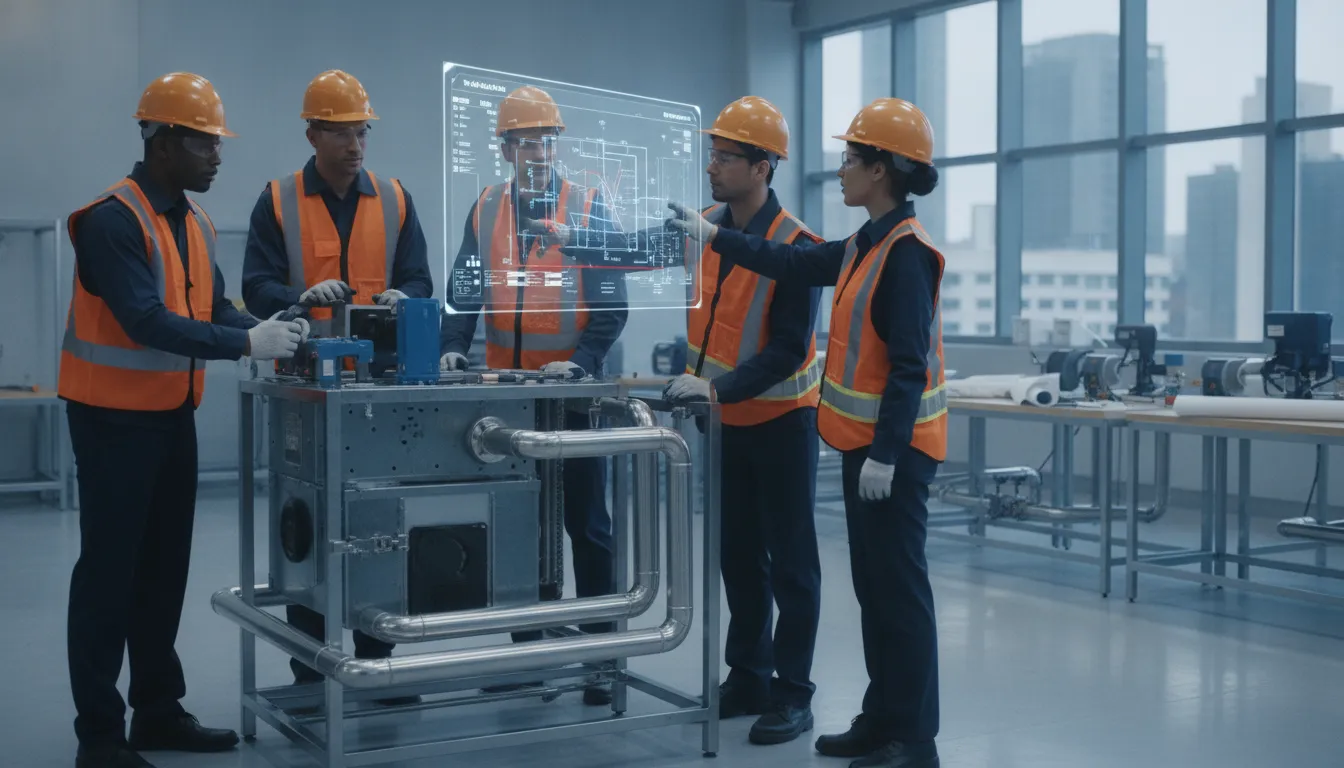
If you enjoy practical work, problem-solving, and seeing the results of your effort, a career in mechanical construction may be worth exploring. Mechanical construction training covers the skills used to install, maintain, and troubleshoot HVAC/R systems, piping, ductwork, plumbing, and related equipment. You may practice reading blueprints, using hand and power tools, following safety procedures, and working with materials found on real jobsites. The right program should offer more than technical lessons. It should provide qualified instructors, useful lab experience, career guidance, and a clear explanation of costs and credentials. Florida Academy offers focused training for students seeking a practical path into skilled-trade work. Key Takeaways Learn the core skills employers expect: Mechanical construction programs may teach HVAC/R, piping, ductwork, plumbing, blueprint reading, equipment installation, troubleshooting, maintenance, and jobsite safety. Compare programs beyond tuition: Review hands-on lab hours, equipment, instructor experience, certifications, schedules, total costs, financial-aid options, and career services before enrolling. Prepare for multiple skilled-trade paths: Training may lead to entry-level roles in HVAC/R, maintenance, sheet metal, piping, plumbing, installation, or construction support, with opportunities to advance through experience and additional credentials. What Does Mechanical Construction Training Cover? Mechanical construction training prepares you to work with the systems that help buildings stay comfortable, functional, and safe. Rather than focusing on one narrow skill, a well-rounded program may cover HVAC/R, piping, ductwork, plumbing, equipment installation, blueprint reading, maintenance, troubleshooting, and jobsite safety. The exact curriculum varies by school, so review each program carefully. Florida Academy’s mechanical construction program combines classroom instruction with hands-on training designed to help students prepare for entry-level work. As you compare options, look for practical lab experience, qualified instructors, safety instruction, and career support. HVAC/R, piping, ductwork, plumbing, and equipment Mechanical construction training typically introduces the systems installed in residential, commercial, and industrial buildings. You may study heating, ventilation, air conditioning, and refrigeration systems, along with the pipes, ducts, fittings, valves, and equipment that support them. Coursework may explain how air moves through ductwork, how pipes connect mechanical components, and how plumbing systems deliver and remove water. You may also work with pumps, compressors, boilers, water heaters, air handlers, and related equipment. The Mechanical Contractors Association of Kansas City identifies HVAC systems, piping, ductwork, plumbing, and mechanical equipment as important parts of the field. This broad foundation can help you discover which area interests you most before pursuing a specialized role. Read blueprints, measurements, layouts, and specifications Before installing a system, mechanical workers need to understand where each component belongs and how it connects to the rest of the building. Training often covers blueprints, floor plans, equipment schedules, symbols, measurements, layouts, and written specifications. You may practice identifying dimensions, calculating material needs, locating connection points, and matching equipment to a system layout. These skills help reduce errors and make it easier to communicate with supervisors, engineers, general contractors, and other tradespeople. Some programs also introduce digital plan-reading tools and construction documentation. This guide to careers in building mechanical trades explains how students may learn to interpret blueprints, complete calculations, and develop system designs with supporting documents. Accurate plan reading is useful during installation, inspections, repairs, and future maintenance. Install, test, maintain, and troubleshoot systems Hands-on practice is an important part of mechanical construction training. In a lab setting, you may assemble components, install piping and ductwork, connect equipment, and use hand and power tools for common construction tasks. This practice helps you build confidence before working on an active jobsite. Testing and troubleshooting are equally important. You may learn how to inspect connections, identify leaks, check airflow, test equipment, and recognize signs of improper operation. Maintenance lessons can include cleaning, adjustments, part replacement, and routine inspections. These skills help mechanical systems operate safely and efficiently. DOZR’s construction certification guide describes installation, testing, maintenance, and troubleshooting as key areas of construction training. Strong troubleshooting skills can also help you respond methodically when equipment fails or a system does not perform as expected. Follow jobsite safety, tool, material, and code requirements Mechanical construction can involve power tools, elevated work areas, electrical components, pressurized systems, heavy equipment, and materials that require careful handling. Safety instruction should begin early and remain part of every practical exercise. You may learn how to select and maintain tools, use personal protective equipment, handle materials, prevent falls, identify hazards, and keep work areas organized. Programs may also introduce lockout and tagout procedures, fire prevention, safe lifting, and practices for working around other crews. Building codes and manufacturer instructions also guide mechanical work. Installations must meet requirements for the building, location, and type of system. OSHA’s construction industry standards provide a reference for workplace safety requirements. A strong program should help you connect safety rules, local codes, manufacturer instructions, and project specifications to the work you perform. Compare mechanical construction, engineering, and general construction Mechanical construction, mechanical engineering, and general construction often overlap on a project, but each field has a different focus. Mechanical construction centers on installing, connecting, testing, repairing, and maintaining systems such as HVAC/R, piping, ductwork, and plumbing. Mechanical engineering generally focuses on design, calculations, system planning, performance, and technical analysis. Engineers may create drawings and specifications that construction professionals use during installation. General construction covers a broader range of building activities, including structural work, framing, roofing, interiors, and site preparation. This overview of construction industry roles explains the differences at a broad level. If you enjoy practical work with tools, materials, equipment, and visible results, mechanical construction may be a good fit. If you prefer design and analysis, engineering may suit you better. Those who want to coordinate many parts of a building project may prefer general construction. Who Benefits From Mechanical Construction Training? Mechanical construction training can support people at different points in their working lives. You may be preparing for your first skilled-trade job, changing careers, or building on experience as a helper or construction worker. A focused program can help you develop practical skills, understand jobsite expectations, and prepare for entry-level opportunities in mechanical systems. Entry-level learners and career changers You do not need years of construction experience to start learning about mechanical systems. Entry-level students can build a foundation in tools, measurements, blueprint reading, equipment, safety procedures, and installation methods. These skills may prepare you for roles such as construction helper, installer, HVAC/R technician assistant, or maintenance worker. Career changers may appreciate a focused program that teaches job-related skills without requiring a traditional four-year degree. When comparing schools, look for coursework that reflects actual jobsite needs. Programs connected with contractors, unions, or workforce agencies may provide useful insight into local employer expectations, as construction education guidance explains. Florida Academy offers programs in mechanical construction and other skilled trades. Review the curriculum, training format, and admissions requirements to decide whether the program matches your goals. Apprentices, helpers, and construction workers If you already work as a helper or apprentice, formal training can help you strengthen the skills you use on the job. Classroom lessons can explain how mechanical systems work, while lab practice gives you a structured setting to work with tools, fittings, materials, and equipment. This combination may help you prepare for greater responsibility or a different construction role. Apprenticeships can also combine education with paid employment, allowing participants to gain experience while earning a wage. The Bergen Job Center’s overview of construction careers describes this approach as a way to build practical workplace skills. Training can also help experienced workers address gaps in blueprint reading, troubleshooting, safety, or job documentation. Over time, those skills may support progress into technician, lead worker, or supervisory positions. Check prerequisites, math skills, and physical requirements Before enrolling, review the school’s admission requirements and consider whether the program fits your current abilities. Mechanical construction involves measurements, basic calculations, proportions, and technical information. Advanced mathematics may not be necessary, but comfort with arithmetic and a willingness to practice can make the coursework easier to follow. The work may involve standing, bending, lifting, climbing, working in tight spaces, and handling tools or materials for extended periods. Ask the admissions team about physical expectations, safety instruction, required clothing, and equipment. Requirements vary by school, employer, and training pathway. For example, some industrial programs require applicants to meet age, work authorization, residency, and basic math or reading standards, as shown by the New York City industrial training requirements. Confirm Florida Academy’s current requirements before applying. Prepare for short-term, hands-on career training Short-term training may suit you if you want a focused path into the skilled trades without committing to a multi-year degree. Expect to spend time learning how to use tools, interpret plans, install components, and follow jobsite procedures. Ask how many hours are dedicated to labs and practical instruction before you enroll. A hands-on format can also help you decide whether mechanical construction fits your interests and work style. Many trade programs focus on practical skills that support job readiness within a shorter timeframe, although schedules vary by school and credential. Trade school training guidance highlights the value of shop practice in career preparation. As you compare options, review class schedules, lab equipment, instructor experience, transportation needs, and career support. Florida Academy’s career services can help you learn how the school supports students as they prepare for employment. Which Skills and Certifications Should You Seek? Mechanical construction employers look for more than technical knowledge. They need workers who can use tools safely, read plans, communicate with a crew, document completed work, and follow job-specific requirements. A well-rounded training program should give you opportunities to practice these skills in a supervised, hands-on setting. As you compare programs, look beyond the course title. Review the equipment, lab activities, safety instruction, instructor experience, and credentials connected to the curriculum. Florida Academy’s mechanical construction program can help you build a foundation for work involving construction systems, tools, materials, and jobsite procedures. Certifications can also make your training more relevant to the roles you want. However, not every credential applies to every position. An HVAC/R technician may need EPA Section 608 certification, while someone pursuing welding or broader construction work may benefit from different training. Ask each school which credentials are included, which require separate testing, and which employers commonly request. Use hand tools, power tools, fittings, and joining methods Tool skills form the foundation of mechanical construction work. Training should cover measuring, cutting, drilling, fastening, assembling fittings, and working with materials used in piping, ductwork, HVAC/R, and related systems. You should also learn how to inspect, operate, clean, and store hand tools and power tools properly. Joining methods vary by material and system. Depending on the program, you may practice threading, soldering, brazing, crimping, or other approved techniques. Accuracy matters because poor connections can cause leaks, weak assemblies, equipment problems, and expensive rework. You will also need to understand how to choose the right tool and method for each task. Mechanical contractors work with architects, engineers, subcontractors, and clients, so technical ability must be paired with clear communication and organization. These skills help you complete work safely and keep projects moving. Read technical drawings, CAD, BIM, and digital plans Plans show where equipment, ductwork, piping, and other components belong. Learn to interpret dimensions, symbols, schedules, equipment tags, specifications, and installation details. You may also need to compare drawings with actual site conditions and identify conflicts before installation begins. Many contractors use digital tools alongside printed blueprints. Computer-aided design, or CAD, supports technical drafting. Building information modeling, or BIM, helps multiple trades coordinate systems within a shared digital model. Digital plans may include revisions that affect measurements, materials, sequencing, and access to equipment. You do not need to become an engineer to use these tools effectively. Basic plan-reading and digital drawing skills can help you follow instructions, spot mistakes, and communicate questions to a supervisor. Look for training that includes drafting exercises and CAD functions related to HVAC and mechanical design. Build communication, teamwork, documentation, and coordination skills Mechanical construction depends on teamwork. You may coordinate with general contractors, electricians, plumbers, sheet metal workers, inspectors, equipment suppliers, and property owners. A clear explanation can prevent confusion, while a missed detail can lead to delays or rework. Practice listening carefully, asking questions, and confirming instructions before starting a task. You should also learn to document measurements, materials, completed work, maintenance details, and changes to the original plan. Accurate records help supervisors track progress and give future technicians useful information. Time management is another important skill. Mechanical work often follows a larger construction schedule, so one delayed installation can affect several crews. Group projects, jobsite simulations, and work-order exercises can help you develop these habits. Strong project coordination and continued training can support your progress as your responsibilities increase. Complete OSHA safety training and hazard awareness instruction Safety instruction should be a central part of mechanical construction training. You may work around ladders, elevated surfaces, electrical equipment, pressurized systems, hot materials, refrigerants, heavy components, and moving machinery. Training should teach you to identify hazards, choose personal protective equipment, follow lockout and tagout procedures, and keep your work area orderly. OSHA construction standards address hazards such as falls, electrical exposure, struck-by incidents, and improper PPE use. You can review the official OSHA construction standards, then ask a school how its safety lessons apply those requirements in the lab and on the jobsite. Find out whether the program includes OSHA-related instruction or preparation for employer-required courses. You should also learn how to report unsafe conditions and respond when plans change. Safe work habits protect you and your coworkers while helping you meet employer expectations. Earn NCCER, EPA Section 608, and AWS SENSE credentials Industry credentials can show employers that you have studied recognized practices and passed an assessment in a specific area. The NCCER program offers training and assessments across several construction trades. Depending on your career path, an NCCER credential may support work in construction, HVAC, piping, maintenance, or related fields. If you plan to service equipment that uses regulated refrigerants, review the requirements for EPA Section 608 certification. Technicians who service, repair, or dispose of certain refrigeration and air-conditioning equipment generally need the appropriate certification. For welding-related work, ask whether the program includes AWS SENSE training. It provides a structured foundation in welding safety and skills. You may not need all three credentials, so match your choices to the systems, job duties, and employers you are considering. Meet Florida licensing and role-specific certification requirements Certification and licensing are different. A certification usually confirms that you completed training or passed an assessment. A license is a legal authorization that may be required for specific work or contractor responsibilities. Requirements can depend on the trade, job duties, employer, local rules, and whether you work under a licensed professional. Before enrolling, ask which credentials the program prepares you to earn and which requirements remain your responsibility after graduation. Florida’s Construction Industry Licensing Board requirements provide information about contractor licensing. The Florida Department of Business and Professional Regulation also offers official licensing resources. Your employer may require additional training, such as manufacturer courses, CPR or first aid, OSHA instruction, background checks, or job-specific exams. Confirm current requirements with the appropriate state agency and prospective employers. A career school can explain how its curriculum supports your goals, but official agencies provide the final word on licensing rules. Which Mechanical Construction Programs Can You Choose? Mechanical construction training is available through several education and workforce pathways. The best choice depends on your schedule, budget, learning style, and career goals. Some programs focus on hands-on instruction and can be completed in a shorter timeframe. Others combine classroom lessons with paid jobsite experience. As you compare options, look beyond the program title. Review the curriculum, lab hours, instructor experience, available credentials, and career support. Ask whether the program prepares you for the type of work you want to pursue, such as HVAC/R installation, equipment maintenance, piping, sheet metal, or general mechanical construction. You should also compare the total cost, including tuition, books, tools, protective equipment, transportation, and exam fees. A school’s career services can be just as important as its classroom instruction, especially if you need help preparing for interviews or connecting with employers. Choose Florida Academy’s licensed, accredited, hands-on program Florida Academy offers a licensed and accredited mechanical construction program with a hands-on approach. Students build practical skills through training that reflects the tools, systems, procedures, and safety practices used in mechanical construction settings. This option may suit students who want focused career preparation instead of a traditional, multi-year degree. Training can help you develop a foundation in mechanical systems, construction methods, equipment, tools, measurements, and jobsite procedures. Practicing these skills in a supervised setting gives you opportunities to apply classroom lessons and receive feedback from instructors. Florida Academy also provides career-focused support, including employer partnerships and placement assistance. Review the school’s mechanical construction programs to learn more about the curriculum, admissions process, training format, and student resources. You can also ask admissions staff about program length, lab activities, required supplies, and the types of entry-level roles graduates may pursue. Compare community and technical college certificates Community and technical colleges often offer certificate programs that cover the essential skills and knowledge used in mechanical construction. These programs may take less time and cost less than degree programs, making them a practical option for students seeking structured trade education. When comparing certificates, check whether the curriculum includes blueprint reading, measurements, safety, tool use, equipment operation, installation, and troubleshooting. Ask whether the program includes lab practice or relies mainly on classroom instruction. You should also find out whether students receive preparation for industry credentials or referrals to local employers. Schedules can vary significantly. Some colleges offer daytime classes, while others provide evening or part-time options for working students. Compare tuition with supply costs, transportation, and completion time. Resources about trade school programs and costs can provide useful context, but confirm current details directly with each school before applying. Consider private career schools and trade programs Private career schools and trade programs often center their instruction on specific occupations and workplace skills. They may be a good fit for career changers, recent graduates, or students who want focused training before applying for entry-level work. Ask how much time students spend practicing tasks such as taking measurements, using hand and power tools, reading plans, installing components, maintaining systems, and troubleshooting problems. Find out whether the lab includes equipment similar to what employers use. It is also helpful to ask about class size, instructor experience, attendance requirements, and opportunities to receive individual feedback. Career support can make a meaningful difference when you begin your job search. Look for resume reviews, interview preparation, employer introductions, and assistance identifying appropriate openings. Florida Academy’s history and mission describe its focus on supportive, career-oriented education and practical training. Explore registered apprenticeships and employer training Registered apprenticeships combine paid, on-the-job training with classroom instruction. Apprentices learn under experienced workers while developing skills through supervised jobsite practice. This pathway can suit people who prefer hands-on learning and want to earn income while gaining experience. Employer-sponsored training may follow a similar structure, although requirements differ by company. Some employers train new hires in safety, tools, materials, installation methods, and equipment maintenance. Others prefer applicants who have completed basic trade education before starting work. A registered apprenticeship may also provide a clearer training framework and defined progression steps. Before applying, ask about starting pay, classroom requirements, work hours, transportation, advancement opportunities, and credential options. Confirm whether you will be hired as an employee, trainee, or apprentice. You should also ask how the program supports future certifications or licensing requirements in your intended trade. Compare program length, labs, instructors, and career services Program length tells only part of the story. A shorter program may offer focused training, while a longer one may provide more time for advanced topics and practice. Compare the skills covered and the number of hands-on hours instead of relying on the advertised completion time. If possible, tour the lab before enrolling. Check the condition and variety of the equipment, the number of students per instructor, and the amount of time students spend practicing. Ask whether instructors have recent field experience and how they evaluate student progress. A strong program should give you opportunities to ask questions, correct mistakes, and repeat tasks until you understand them. Finally, review career support. Ask about resume assistance, interview preparation, employer connections, job leads, and graduate follow-up. Guidance from career services can help you prepare for the transition from training to employment. Request clear information about the services available before graduation and during your job search. Where Can You Find Free and Online Training? Free and online training can help you build foundational knowledge before enrolling in a mechanical construction program. You may find introductory lessons in HVAC/R theory, blueprint reading, construction math, jobsite safety, tool identification, and basic system components through workforce agencies, community organizations, manufacturers, unions, and education providers. Begin with local workforce development offices, public libraries, community colleges, trade associations, and employment agencies. Some organizations offer no-cost courses to eligible residents, while others provide grants for tuition, tools, transportation, certification exams, or other training expenses. Scholarships, military education benefits, and school-based financial assistance may also be available. Online courses can help you learn technical concepts at your own pace, but mechanical construction requires more than textbook knowledge. You will need supervised practice with tools, equipment, fittings, measurements, layouts, and safety procedures. Review Florida Academy’s mechanical construction program to see how classroom learning and hands-on training can support preparation for entry-level work. Find free courses, workforce grants, and scholarships Search for training assistance before paying out of pocket. Workforce agencies often provide help to people who are unemployed, underemployed, changing careers, or meeting specific income requirements. Eligibility may also depend on your age, veteran status, employment history, or long-term career goals. Ask each provider what expenses the funding covers. One grant may pay tuition but not tools or transportation, while another may help with certification exams and required safety gear. You should also ask about application deadlines, attendance requirements, and approved schools or programs. The NYC Department of Small Business Services industrial training programs offer one example of no-cost training for eligible residents interested in construction and industrial careers. Although the program serves New Yorkers, its offerings show what to look for through Florida workforce agencies and community organizations. Compare scholarships, workforce grants, and school-based financial resources before choosing a program. Study HVAC/R, blueprint reading, safety, and theory online Online coursework can introduce you to the concepts used on mechanical construction jobsites. Depending on the provider, lessons may cover refrigeration cycles, HVAC/R components, electrical basics, construction math, blueprint symbols, measurements, materials, and workplace hazards. Online study can also help you prepare for industry credentials. The NYC industrial training program describes HVAC pre-apprenticeship training that may include OSHA 30, OSHA Site Safety, and EPA Section 608 credentials. Before enrolling, confirm that the course is current, includes instructor support, and explains whether testing fees and credentials are part of the cost. Check whether lessons include quizzes, demonstrations, downloadable materials, or opportunities to ask questions. A course with clear learning objectives and practical examples will usually be more useful than a collection of brief videos without feedback or assessment. Understand the limits of fully online training Online classes can make training easier to fit around work, family responsibilities, or transportation challenges. They allow you to review technical information at your own pace and revisit difficult topics before an exam or classroom lab. Still, fully online instruction cannot reproduce every part of mechanical construction work. You need practice handling tools, joining materials, reading physical layouts, measuring accurately, using protective equipment, and responding to changing jobsite conditions. These skills develop through supervised repetition. As BigRentz explains in its overview of construction certifications, in-person programs provide hands-on experience and direct interaction with instructors, while online training offers flexibility and schedule control. Use online courses to build theoretical knowledge, then look for a program, lab, or employer that provides practical training with appropriate supervision. Combine paid apprenticeships with on-the-job learning An apprenticeship combines structured instruction with paid, supervised employment. You may learn to use tools, interpret plans, install materials, follow safety procedures, and complete work according to industry standards while gaining experience on actual projects. This option may suit you if you learn best by doing and want to earn income during training. Apprenticeships can also introduce you to contractors, experienced tradespeople, and potential long-term employers. Before accepting a position, ask about the wage schedule, work hours, classroom requirements, training length, advancement opportunities, and credentials you can earn. The Bergen Job Center’s overview of construction and skilled-trade careers explains that apprenticeships commonly provide full-time paid employment alongside structured training. Search for opportunities through employers, unions, contractors, and workforce agencies. Confirm that the program offers a clear training plan rather than relying only on informal, on-the-job instruction. Choose a blended training path when appropriate A blended path combines online lessons, classroom instruction, lab practice, and on-the-job experience. This approach can give you schedule flexibility while preserving time for supervised practice. For example, you might study safety or blueprint-reading concepts online, attend campus labs to practice with tools and equipment, and apply those skills during an apprenticeship. When comparing programs, review the curriculum, instructor qualifications, lab facilities, class schedule, credentials, and employer connections. Also ask how many hours are devoted to hands-on work and whether students practice with the types of equipment used in local jobs. ABC Central Texas recommends researching a program’s curriculum, faculty qualifications, and facilities before enrolling. You should also ask whether the school provides career services, interview preparation, employer referrals, financial-aid guidance, and support with certification requirements. These details can help you choose training that fits both your learning style and career plans. How Much Does Mechanical Construction Training Cost? The cost of mechanical construction training depends on the school, program length, location, and materials included. A short-term program may cost less than a two- or four-year degree, but tuition is only one part of your budget. Before enrolling, calculate the full cost of attendance and compare it with the hands-on practice, industry credentials, career support, and job preparation the program provides. Florida Academy offers career-focused training for students preparing for skilled-trade careers. Review the school’s mechanical construction program to learn more about the curriculum, training format, and admissions process. Then request a current cost breakdown so you can plan around your own schedule and financial situation. Budget for tuition, books, tools, PPE, transportation, and exams Start with the published tuition, then ask what it covers. Some programs include books, uniforms, tools, supplies, lab fees, or exam preparation. Others charge for these items separately. You may also need personal protective equipment, such as work boots, safety glasses, gloves, hearing protection, or a hard hat. Remember to include transportation, parking, meals, and lost work hours if you attend classes during the day. Certification and licensing exams may create additional costs after graduation. Making a complete list helps you compare programs fairly instead of judging them by tuition alone. Trade schools often focus on practical skills in a shorter period, which can reduce the time spent away from work. Tidewater Tech’s trade-school overview offers additional context on this training model. Compare total costs and completion times A lower tuition price does not always mean a lower overall cost. Compare tuition, required supplies, transportation needs, and expected completion time for each program. A longer schedule may require more commuting expenses or reduce your work hours for an extended period. Ask whether classes are full time, part time, daytime, or evening. Find out how many hours students spend in hands-on labs, too. An intensive program may help you finish sooner, but the right pace depends on your schedule and learning needs. When comparing schools, consider the total cost and expected training outcome, not only the advertised tuition. Trade-school cost comparisons can provide general context, but request current figures directly from each school. Explore financial aid, payment plans, scholarships, and military benefits Ask the admissions or financial-aid office which funding options may be available for your program. Depending on your eligibility and the school’s approvals, options may include federal financial aid, scholarships, grants, payment plans, workforce funding, or employer assistance. Review the official FAFSA application to understand the federal aid process and required information. If you have served in the military, ask whether the program accepts VA education benefits. The U.S. Department of Veterans Affairs education resources explain approved schools, benefit programs, and eligibility requirements. You can also ask Florida Academy about financial-aid resources and military-benefit options during the admissions process. Do not assume you qualify until the school or relevant agency confirms your eligibility. Ask about fees, refunds, supplies, and included credentials Request a written breakdown of every expected charge before signing an enrollment agreement. Ask about registration fees, technology fees, lab fees, books, uniforms, tools, PPE, background checks, drug screenings, exam fees, and graduation costs. Confirm whether supplies remain yours after training or must be returned. Review the school’s cancellation and refund policy, including what happens if you withdraw, miss a payment, pause your studies, or cannot complete the program. Also ask which credentials are included in tuition and which require separate applications or testing fees. A school may provide certification preparation without covering the credential or exam cost. Clear answers help you plan responsibly and avoid unexpected expenses. Which Careers Can Mechanical Construction Training Lead To? Mechanical construction training can prepare you for several career paths in the building and construction trades. You may work with HVAC/R equipment, piping, ductwork, plumbing systems, or other mechanical components used in residential and commercial buildings. Your first role may be hands-on, but your experience can lead to design, coordination, or project management opportunities over time. Your career direction will depend on your interests, technical skills, work experience, and any certification or licensing requirements tied to the role. Florida Academy’s mechanical construction program offers practical training designed to help students build a foundation for mechanical trade work. As you gain experience, you can pursue a specialty, take on greater responsibility, or continue your education. Start as a construction helper or installer A construction helper or installer position can provide a practical entry point into mechanical construction. You may assist experienced workers, prepare tools and materials, measure work areas, support equipment installation, and organize jobsite supplies. These tasks help you understand how mechanical systems are assembled, connected, tested, and maintained. Entry-level work also gives you a chance to develop habits employers value, including accurate measurements, safe tool use, reliable attendance, and clear communication. As your skills grow, you may handle more detailed installation or troubleshooting tasks. The VHV Company career guide identifies helper and installer work as a foundation for calculations, system design, and construction documentation. Pursue HVAC/R, maintenance, sheet metal, piping, or plumbing roles Mechanical construction training can lead to several specialized areas. You might work with heating, ventilation, air conditioning, and refrigeration systems, or pursue roles in building maintenance, sheet metal, piping, or plumbing. Each specialty requires knowledge of tools, materials, measurements, safety procedures, and system performance. HVAC/R and maintenance workers may install equipment, inspect components, perform preventive service, and identify faults. Sheet metal professionals may fabricate and install ductwork, while piping and plumbing workers connect, support, test, and repair systems that move water, gas, or other materials. MCAKC’s career overview provides examples of roles within mechanical contracting. Move into CAD, BIM, or project coordination Some mechanical construction professionals transition from fieldwork into technical and coordination roles. Computer-aided design, or CAD, involves creating or updating drawings for HVAC and mechanical systems. Building Information Modeling, or BIM, uses digital models to help construction teams plan, coordinate, and document building systems. These roles may appeal to people who enjoy problem-solving, digital tools, measurements, and detailed records. Field experience can help you understand how a design will work during installation. Depending on the employer, you might update drawings, track revisions, coordinate with contractors, or identify conflicts between mechanical, electrical, and structural systems. The VHV Company guide includes CAD, BIM, and project coordination among possible career directions. Progress to assistant and full project manager roles With experience, you may qualify for assistant project manager or project manager positions. These jobs involve organizing work across an entire project rather than focusing on one installation task. Responsibilities can include reviewing plans, coordinating crews and subcontractors, ordering equipment, creating schedules, tracking materials, communicating with clients, and monitoring costs. An assistant project manager typically supports planning, purchasing, scheduling, and documentation while learning how projects move from preparation to completion. A project manager usually has greater responsibility for deadlines, budgets, quality, and team coordination. Technical knowledge matters, but communication and organization are equally important. VHV Company’s career guidance identifies equipment purchasing, scheduling, and cost control as important parts of project management work. Advance through skills, experience, certifications, and licenses Career growth in mechanical construction usually develops through a combination of hands-on experience, additional training, and industry credentials. As you become more independent, you may qualify for specialized assignments, lead-worker duties, or supervisory roles. Certifications can also demonstrate knowledge of safety procedures, equipment, and trade practices. Depending on your career goal, you may consider OSHA safety training, EPA Section 608 certification for certain refrigerant work, NCCER credentials, or AWS SENSE training. Licensing rules vary by occupation and location, so check Florida and local requirements before performing regulated work or pursuing a contractor role. The BigRentz guide to construction certifications explains how credentials can support professional development. Ask your school which certifications are included in the program and which may require separate testing or work experience. How Can You Compare Placement Rates and Graduate Reviews? Placement rates and graduate reviews can help you compare mechanical construction programs, but neither tells the full story on its own. A high placement rate may sound impressive, yet you need to know how the school defines placement, which graduates it included, and whether those jobs relate to mechanical construction. Reviews offer a closer look at the student experience. They may reveal how much time students spend in the lab, whether instructors provide individual guidance, and how well the program prepares students for jobsite expectations. Read reviews alongside information about hands-on training, employer relationships, certifications, and career services. This approach gives you a clearer view of what a program offers and what support you can expect after graduation. Check placement definitions, reporting periods, and cohort sizes Ask each school to define “job placement” in writing. Does the figure include only graduates working in mechanical construction, or does it count any type of employment? Find out whether the rate includes related fields, temporary positions, self-employment, or graduates who continued their education. The reporting period matters as well. Request the most recent results and ask which graduating class the data covers. A rate based on 15 graduates may not provide the same context as one based on 150 graduates. Ask whether the school tracks employment in the field, since that information can show how closely graduates’ jobs match their training. Clear definitions and consistent reporting make it easier to compare trade school outcomes. Review career services, employer partnerships, and interview support Career services should offer more than a list of job openings. Ask whether the school helps students write resumes, prepare references, practice interviews, and search for positions that match their skills. Find out when this support begins and whether graduates can continue using it after completing the program. Employer partnerships can provide additional opportunities to meet hiring managers. Some schools invite contractors to campus, organize career fairs, arrange interviews, or connect students with local companies. Review Florida Academy’s career services to learn more about its career-readiness and placement assistance. During an admissions call, ask which employers participate and what types of entry-level positions they usually offer. Look for useful patterns in reviews and testimonials Read graduate reviews for specific details instead of focusing only on star ratings. Look for repeated comments about lab time, tools and equipment, instructor support, safety lessons, classroom organization, and preparation for real job tasks. These details can help you understand what daily training may feel like. Consider when each review was written and whether the graduate completed the same program you are considering. One negative review may describe an isolated experience, while several similar comments could point to a recurring issue. Positive reviews are more useful when graduates explain what they learned, which skills they use at work, and how the school supported their job search. You can also ask whether testimonials represent recent graduates and roles related to mechanical construction. Factors such as equipment, accreditation, and employer pipelines deserve attention when comparing trade school programs. Ask about placement assistance and employer connections Before enrolling, ask how the school introduces students to potential employers. Does it maintain relationships with mechanical contractors, HVAC companies, plumbing businesses, sheet metal contractors, or facility maintenance departments? Ask whether employers recruit directly from the program and whether students can attend interviews, job fairs, or employer presentations. It is also useful to ask about the first roles graduates typically accept. Many learners begin as construction helpers, installers, or apprentices before moving into more advanced positions. That starting point can be a practical way to gain experience, but you should understand the expected progression. Ask how employers view the program and whether graduates have secured jobs through those relationships. Strong construction education and employer connections can make the transition from classroom training to the jobsite more direct. Request outcome data before enrolling Ask admissions representatives for written information about graduation rates, placement rates, employment in the field, and the reporting period used for each figure. If the school cannot provide the data, ask how it tracks graduate outcomes and why certain information is unavailable. Clear answers can help you judge how openly the program communicates with prospective students. Also ask what support is available if you do not find work immediately. Will the career services team review your resume, share new openings, help you prepare for another interview, or follow up after graduation? Write down the answers and compare them with tuition, program length, lab hours, equipment, and included credentials. Florida Academy lists its career-focused programs for students seeking hands-on preparation in skilled fields. How Can You Compare Mechanical Construction Programs? Choosing a mechanical construction program involves more than comparing tuition or picking the shortest schedule. The right program should help you build practical skills, understand jobsite expectations, and prepare for your first position or next training step. Start by comparing each school’s credentials, curriculum, lab environment, schedule, costs, and career support. Look for specific information instead of broad promises. Ask how many hours students spend in the lab, which tools and systems they use, what certifications are included, and how the school reports graduate outcomes. A campus tour or admissions call can help you see whether the learning environment suits your goals and responsibilities. It is also worth considering your preferred career direction. Some students want to work with HVAC/R equipment, while others may be more interested in piping, sheet metal, maintenance, or general mechanical construction. A program with broad foundational training can help you develop transferable skills, but you should confirm that the curriculum includes the systems and tasks connected to the work you hope to pursue. As you compare options, keep a written list of tuition, fees, required supplies, class times, hands-on hours, credentials, and career services. Reviewing the same information for every school makes it easier to identify meaningful differences and avoid choosing based only on advertising. Check accreditation, licensing, and industry-aligned curricula Confirm that the school is properly licensed and accredited before enrolling. These credentials indicate that the institution meets established standards for education and operations. Also ask whether the mechanical construction curriculum reflects current employer expectations, safety practices, building codes, and equipment used in the field. Review the course list carefully. Look for training in HVAC/R systems, mechanical equipment, piping, ductwork, blueprint reading, measurements, installation, maintenance, and troubleshooting. Programs that maintain relationships with contractors, industry groups, or employers may have a clearer understanding of jobsite needs. ABC Central Texas outlines important factors in construction education, including curriculum, facilities, and industry connections. Ask each school to explain its licensing status, accreditation, curriculum standards, and graduate outcomes. You can also review Florida Academy’s history and mission to learn more about its educational approach. Compare hands-on hours, lab equipment, class size, and instructors Mechanical construction is a practical field, so hands-on instruction should play a central role. Ask how many hours students spend installing components, using tools, reading plans, testing systems, and troubleshooting equipment. A program that only discusses these tasks in a classroom may not provide enough practice for entry-level work. Visit the lab if possible. Look for relevant, functional equipment such as HVAC/R units, ductwork, piping, gauges, hand tools, power tools, and electrical components. The equipment does not need to be brand new, but it should be safe and connected to the work covered in the curriculum. Class size also affects the amount of individual instruction you receive. Smaller groups may provide more opportunities to practice under supervision and ask questions. Ask about instructor experience, too. Teachers with industry backgrounds can connect technical lessons to common jobsite challenges, installation problems, and employer expectations. Review certifications, exam preparation, and safety training Certifications can help demonstrate technical knowledge and safety awareness to employers. Ask which credentials are included in tuition, which require additional fees, and whether the program offers preparation for required exams. Depending on your goals, relevant training may include OSHA safety instruction, EPA Section 608 preparation for certain HVAC/R work, NCCER coursework, or welding-related credentials. You may not need every certification, so focus on credentials related to the roles you plan to pursue. This overview of construction certifications can help you prepare questions for admissions representatives. Safety should be part of every lab and technical lesson, not a single topic covered at the end of training. Ask how the program teaches personal protective equipment, electrical hazards, refrigerants, ladders, confined spaces, lifting, lockout and tagout procedures, and tool operation. Repeated practice helps students develop safer habits. Compare schedules, locations, online access, and flexibility Choose a program that fits your schedule well enough for you to attend consistently. Compare daytime and evening classes, weekly attendance requirements, program length, start dates, and transportation needs. If you work or have family responsibilities, ask about part-time options, make-up policies, and how missed lab hours are handled. Location matters because hands-on programs require regular campus visits. Estimate your travel time and transportation costs before enrolling. A nearby program may be more manageable than one requiring a long commute, especially if classes begin early or include extended lab sessions. Online materials can make studying more convenient, but they cannot replace every practical activity. Ask which lessons are available online and which require in-person attendance. Blueprint reading, safety theory, and technical concepts may work well through digital instruction, while installation, tool use, testing, and troubleshooting generally require supervised practice. A blended format can work well when its online and lab components are clearly organized. Assess career support, financial resources, and outcome transparency Career services can be valuable when you are preparing for your first job. Ask whether the school provides résumé assistance, interview practice, employer introductions, job leads, career fairs, or support after graduation. Florida Academy explains its career services for students preparing for employment and connecting with opportunities. Review the complete cost of attendance, not just the advertised tuition. Request a list of expenses for books, tools, uniforms, personal protective equipment, transportation, testing, and supplies. Then ask about financial aid, scholarships, payment plans, workforce funding, and military benefits. Florida Academy’s program information can help you review available training options and identify questions for the admissions team. Be cautious when placement claims are unclear. Ask how placement is defined, which graduating group the figures represent, the reporting period, and how many graduates were included. Find out whether employment in the field is reported separately from other types of job placement. Written outcome information gives you a more useful basis for comparison. Ask questions during a campus tour or admissions call A campus visit or admissions call lets you compare the information on a school’s website with the actual training experience. Prepare questions in advance and take notes so you can compare answers across programs. During a visit, ask to see the labs, tools, safety equipment, classrooms, and student work areas. If an in-person visit is not possible, request photos, a virtual tour, or a detailed explanation of the facilities. Useful questions include: How many hands-on hours are included? Which tools, systems, and equipment will I use? Which certifications or exam preparations are included in tuition? What admission requirements and physical expectations should I know about? What costs should I plan for beyond tuition? Are financial aid, scholarships, payment plans, or military benefits available? What industry experience do the instructors bring? Which career services and employer connections are available? How are placement rates calculated? Can I review the most recent graduate outcome report? What jobs do graduates commonly pursue? Pay attention to how clearly the school responds. A helpful admissions representative should explain the program directly and tell you whom to contact about financial aid, scheduling, or career planning. It is also useful to research programs, visit training centers, and speak with students and professionals before making your decision. Related Articles Essential Construction Certifications: What You Need and Why Exploring Careers That Build America: Construction and Skilled Trades Schooling for Construction: Education Paths, Costs, Careers & How to Choose Best Trade Schools: 2025 Programs, Costs, Careers 10 Best Trade Schools in the United States Frequently Asked Questions What does mechanical construction training teach you?Mechanical construction training may cover HVAC/R systems, piping, ductwork, plumbing, equipment installation, blueprint reading, measurements, maintenance, troubleshooting, tool use, and jobsite safety. Programs vary, so review the curriculum and lab hours before enrolling. Is mechanical construction training a good option for career changers?Yes. Short-term, hands-on training can help career changers build a foundation in mechanical systems without committing to a traditional four-year degree. Look for programs that include practical labs, safety instruction, instructor support, and career preparation. What jobs can you pursue after mechanical construction training?Graduates may qualify for entry-level roles such as construction helper, installer, HVAC/R technician assistant, maintenance worker, or apprentice. With experience and additional credentials, you may pursue work in piping, sheet metal, plumbing, CAD, BIM, project coordination, or supervision. Which certifications might be useful in this field?The right credential depends on your intended role. EPA Section 608 certification may apply to certain refrigerant work, while NCCER credentials can support several construction pathways. OSHA safety training and welding-related credentials may also be useful. Ask the school which credentials are included and which require separate testing. How should you compare mechanical construction programs?Compare accreditation, licensing, curriculum, lab hours, equipment, class size, instructor experience, schedule, total costs, financial-aid options, certifications, and career services. Ask how placement rates are calculated and whether the school provides résumé help, interview preparation, employer connections, and job leads. The post Mechanical Construction Training: A Complete Guide appeared first on Florida Academy.