general
Comedy Classes: Emotion Techniques from JesterZ Improv
HA
Harvey WaldenCommunity Member
1 day ago
by JesterZ Improv | Mar 8, 2010 | Jester-DayZ News Blog
by JesterZ Improv | Mar 8, 2010 | Jester-DayZ News Blog
Spread the word

by JesterZ Improv | Mar 8, 2010 | Jester-DayZ News Blog
by JesterZ Improv | Mar 8, 2010 | Jester-DayZ News Blog
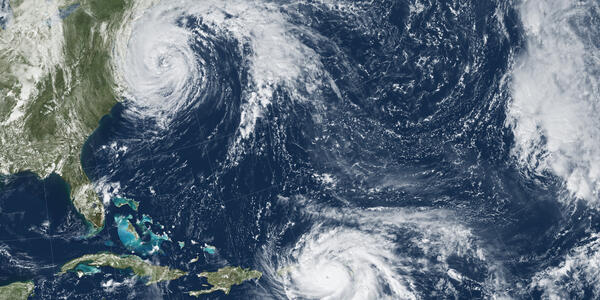
An official website of the United States government Official websites use .gov A .gov website belongs to an official government organization in the United States. Secure .gov websites use HTTPS A lock () or https:// means you’ve safely connected to the .gov website. Share sensitive information only on official, secure websites. The 2026 Atlantic hurricane season runs from June 1 through November 30. Throughout the season, the U.S. Geological Survey aids coastal and inland communities by giving people the resources they need to make informed decisions before, during, and after hurricanes. This critical information helps save lives and protect property. When a hurricane is approaching, people want answers. How bad will it be? Will my neighborhood flood? Will the beach road still be there tomorrow? Behind the scenes, scientists at the U.S. Geological Survey work to answer these and many other questions well before a storm arrives. Their work doesn’t always make headlines, but it plays a critical role in helping emergency managers, local officials, and the public make informed decisions when time is short and the stakes are high. This work isn’t just about collecting data. It’s about providing the science that people use to save lives, protect property, and help communities recover faster. One of the most immediate threats from hurricanes is coastal erosion. Storm surge and waves can wipe out dunes, flood roads, and reshape shorelines in a matter of hours. To help communities prepare, USGS scientists provide real-time storm forecasts of where beaches are likely to erode, where sand may be pushed inland, and where storm surge could inundate roads and homes. These forecasts are available through the Total Water Level and Coastal Change Forecast Viewer, which emergency managers use to prioritize evacuations and protect infrastructure. For example, during Hurricane Ian in 2022, these forecasts accurately predicted widespread dune loss along Florida’s Gulf Coast. That information helped local officials prepare for road closures and post-storm damage assessments. Hurricanes don’t just affect the coast. Inland flooding is just as dangerous, especially when rivers rise quickly or when stormwater systems are overwhelmed. The USGS operates a nationwide network of streamgages and rapid-deployment gauges that provide real-time data on river levels and flood conditions. These sensors are often installed in advance of a storm, sometimes within hours of landfall, to capture critical data that supports the emergency response. During Hurricane Harvey in 2017, these flood sensors helped emergency managers in Texas track rising waters and direct rescue operations. That same system remains in place today, ready to respond when the next storm arrives. Once the skies clear, the work isn’t over. Communities need to know what has changed, including which roads are washed out, which neighborhoods remain underwater, and where recovery efforts should begin. The USGS provides high-resolution aerial imagery and lidar land surface scans that map storm impacts. These maps help the Federal Emergency Management Agency, state agencies, and local governments assess damage, plan repairs, and aid those impacted when applying for federal assistance. After Hurricane Laura in 2020, USGS imagery helped identify areas of severe coastal erosion and infrastructure loss across Louisiana’s barrier islands. This data supported both emergency response and long-term restoration planning. The science behind these tools is complex. But the reason it exists is simple: to provide vital data that decision makers need as they work to help save lives and protect property. Whether it’s a family deciding when to evacuate, a mayor planning emergency routes, or a utility crew restoring power, USGS data helps people make informed decisions when it matters most. This work doesn’t happen in isolation. It’s part of a coordinated effort with the National Oceanic and Atmospheric Administration, FEMA, the National Hurricane Center, and state and local agencies. Together, these teams form a network of science and service that supports communities before, during, and after hurricanes. ST. PETERSBURG, Fla. – U.S. Geological Survey experts project that Hurricane Helene, expected to make landfall on Florida... The 2023 Atlantic Hurricane Season runs from June 1 through November 30. Throughout the season, the U.S. Geological Survey will be providing science... The 2023 Atlantic Hurricane Season runs from June 1 through November 30. Throughout the season, the U.S. Geological Survey will be providing science... The 2023 Atlantic Hurricane Season runs from June 1 through November 30. Throughout the season, the U.S. Geological Survey will be providing science... The 2023 Atlantic Hurricane Season runs from June 1 through November 30. Throughout the season, the U.S. Geological Survey will be providing science... The 2023 Atlantic Hurricane Season runs from June 1 through November 30. Throughout the season, the U.S. Geological Survey will be providing science... The 2023 Atlantic Hurricane Season runs from June 1 through November 30. Throughout the season, the U.S. Geological Survey will be providing science... The 2023 Atlantic Hurricane Season runs from June 1 through November 30. Throughout the season, the U.S. Geological Survey will be providing science... To learn more about USGS’s role in providing science to decision-makers before, during and after Hurricane Ian, visit: Some erosion likely for nearly one-half of sandy shorelines from East Texas to Alabama Editor's Note: This updated story reflects today's coastal... ST. PETERSBURG, Fla. – U.S. Geological Survey experts project that Hurricane Helene, expected to make landfall on Florida... The 2023 Atlantic Hurricane Season runs from June 1 through November 30. Throughout the season, the U.S. Geological Survey will be providing science... The 2023 Atlantic Hurricane Season runs from June 1 through November 30. Throughout the season, the U.S. Geological Survey will be providing science... The 2023 Atlantic Hurricane Season runs from June 1 through November 30. Throughout the season, the U.S. Geological Survey will be providing science... The 2023 Atlantic Hurricane Season runs from June 1 through November 30. Throughout the season, the U.S. Geological Survey will be providing science... The 2023 Atlantic Hurricane Season runs from June 1 through November 30. Throughout the season, the U.S. Geological Survey will be providing science... The 2023 Atlantic Hurricane Season runs from June 1 through November 30. Throughout the season, the U.S. Geological Survey will be providing science... The 2023 Atlantic Hurricane Season runs from June 1 through November 30. Throughout the season, the U.S. Geological Survey will be providing science... To learn more about USGS’s role in providing science to decision-makers before, during and after Hurricane Ian, visit: Some erosion likely for nearly one-half of sandy shorelines from East Texas to Alabama Editor's Note: This updated story reflects today's coastal...
An official website of the United States government Official websites use .gov A .gov website belongs to an official government organization in the United States. Secure .gov websites use HTTPS A lock () or https:// means you’ve safely connected to the .gov website. Share sensitive information only on official, secure websites. New case studies highlight how stakeholders use and benefit from data and products generated by USGS Earth Mapping Resources Initiative (Earth MRI). Earth MRI is accelerating modern geological and geophysical mapping across the Nation. Through partnerships with State geological surveys, Federal agencies, Tribes, universities, and industry, Earth MRI applies advanced technologies to fill gaps in geologic knowledge. These new case studies, including videos, highlight how Earth MRI data are equipping the nation with the tools and information needed to grow stronger, smarter, and better prepared for tomorrow’s challenges. They were developed for the USGS by Tanaq Management Services, Abt Global, and Pinyon Environmental. Users rely on Earth MRI data for mineral exploration, land use planning, and research, and recognize its contributions to workforce development and national supply chain resilience. “There hasn't been a data collection effort like this since the 1970s...These are the data for the next 50 years and there’s so many different applications” - Geologist Industry, State geological surveys, and academic users highlighted the ability of Earth MRI data to accelerate project timelines, reduce exploration risk, and save costs (often hundreds of thousands to millions of dollars). “We’re just very glad this program came about. It makes a big difference to what we do. The US needed it.” - Mining Industry Geologist Graduate students, interns, and university researchers are beginning to leverage Earth MRI data for coursework, training, and funded projects. These opportunities help grow capacity in the geosciences. “Without Earth MRI we would not have these students working at all” ~ Economic Geologist within a university-affiliated State geological survey Studies in Australia and Canada have reported that Federal investments in basic geologic and geophysical datasets can yield increases of five-to-one or more in private sector economic activity. “It’s one of our key exploration datasets” - Mining Industry Geologist Explore case study snippets. Audio-descriptive videos available here (AD). The USGS Earth Mapping Resources Initiative (Earth MRI) is accelerating modern geological and geophysical mapping across the Western United States and the nation. The USGS Earth Mapping Resources Initiative (Earth MRI) is accelerating modern geological and geophysical mapping across the Western United States and the nation. The USGS Earth Mapping Resources Initiative (Earth MRI) is accelerating modern geological and geophysical mapping across the Eastern United States and the nation. The USGS Earth Mapping Resources Initiative (Earth MRI) is accelerating modern geological and geophysical mapping across the Eastern United States and the nation. The USGS Earth Mapping Resources Initiative (Earth MRI) is accelerating modern geological and geophysical mapping across Alaska and the nation. The USGS Earth Mapping Resources Initiative (Earth MRI) is accelerating modern geological and geophysical mapping across Alaska and the nation. Audio-descriptive videos available here (AD). The USGS Earth Mapping Resources Initiative (Earth MRI) is accelerating modern geological and geophysical mapping across the Western United States and the nation. The USGS Earth Mapping Resources Initiative (Earth MRI) is accelerating modern geological and geophysical mapping across the Western United States and the nation. The USGS Earth Mapping Resources Initiative (Earth MRI) is accelerating modern geological and geophysical mapping across the Eastern United States and the nation. The USGS Earth Mapping Resources Initiative (Earth MRI) is accelerating modern geological and geophysical mapping across the Eastern United States and the nation. The USGS Earth Mapping Resources Initiative (Earth MRI) is accelerating modern geological and geophysical mapping across Alaska and the nation. The USGS Earth Mapping Resources Initiative (Earth MRI) is accelerating modern geological and geophysical mapping across Alaska and the nation.
An official website of the United States government Official websites use .gov A .gov website belongs to an official government organization in the United States. Secure .gov websites use HTTPS A lock () or https:// means you’ve safely connected to the .gov website. Share sensitive information only on official, secure websites. New case studies highlight how stakeholders use and benefit from data and products generated by USGS Earth Mapping Resources Initiative (Earth MRI). Earth MRI is accelerating modern geological and geophysical mapping across the Nation. Through partnerships with State geological surveys, Federal agencies, Tribes, universities, and industry, Earth MRI applies advanced technologies to fill gaps in geologic knowledge. These new case studies, including videos, highlight how Earth MRI data are equipping the nation with the tools and information needed to grow stronger, smarter, and better prepared for tomorrow’s challenges. They were developed for the USGS by Tanaq Management Services, Abt Global, and Pinyon Environmental. Users rely on Earth MRI data for mineral exploration, land use planning, and research, and recognize its contributions to workforce development and national supply chain resilience. “There hasn't been a data collection effort like this since the 1970s...These are the data for the next 50 years and there’s so many different applications” - Geologist Industry, State geological surveys, and academic users highlighted the ability of Earth MRI data to accelerate project timelines, reduce exploration risk, and save costs (often hundreds of thousands to millions of dollars). “We’re just very glad this program came about. It makes a big difference to what we do. The US needed it.” - Mining Industry Geologist Graduate students, interns, and university researchers are beginning to leverage Earth MRI data for coursework, training, and funded projects. These opportunities help grow capacity in the geosciences. “Without Earth MRI we would not have these students working at all” ~ Economic Geologist within a university-affiliated State geological survey Studies in Australia and Canada have reported that Federal investments in basic geologic and geophysical datasets can yield increases of five-to-one or more in private sector economic activity. “It’s one of our key exploration datasets” - Mining Industry Geologist Explore case study snippets. Audio-descriptive videos available here (AD). The USGS Earth Mapping Resources Initiative (Earth MRI) is accelerating modern geological and geophysical mapping across the Western United States and the nation. The USGS Earth Mapping Resources Initiative (Earth MRI) is accelerating modern geological and geophysical mapping across the Western United States and the nation. The USGS Earth Mapping Resources Initiative (Earth MRI) is accelerating modern geological and geophysical mapping across the Eastern United States and the nation. The USGS Earth Mapping Resources Initiative (Earth MRI) is accelerating modern geological and geophysical mapping across the Eastern United States and the nation. The USGS Earth Mapping Resources Initiative (Earth MRI) is accelerating modern geological and geophysical mapping across Alaska and the nation. The USGS Earth Mapping Resources Initiative (Earth MRI) is accelerating modern geological and geophysical mapping across Alaska and the nation. Audio-descriptive videos available here (AD). The USGS Earth Mapping Resources Initiative (Earth MRI) is accelerating modern geological and geophysical mapping across the Western United States and the nation. The USGS Earth Mapping Resources Initiative (Earth MRI) is accelerating modern geological and geophysical mapping across the Western United States and the nation. The USGS Earth Mapping Resources Initiative (Earth MRI) is accelerating modern geological and geophysical mapping across the Eastern United States and the nation. The USGS Earth Mapping Resources Initiative (Earth MRI) is accelerating modern geological and geophysical mapping across the Eastern United States and the nation. The USGS Earth Mapping Resources Initiative (Earth MRI) is accelerating modern geological and geophysical mapping across Alaska and the nation. The USGS Earth Mapping Resources Initiative (Earth MRI) is accelerating modern geological and geophysical mapping across Alaska and the nation.
"Planning Commission Date: April 17, 2024 Time: 5:30 PM - 9:00 PM Location: Hearing Room"
"Planning Commission Regular Meeting Date:July 17, 2024 "
"Browse Meeting Records"
"Public Hearings pertain to various ordinances and resolutions under consideration by the Jefferson County government. Information about specific hearings, including dates, times, and locations, can be found on the County website."
"Notice of Public Hearing Notice is hereby given that the Jefferson County Board of County Commissioners will hold a public hearing to consider the following request: Case #24-101743RZ Rezoning Request Applicant: Sopris Engineering, LLC Location: 14670 W. 58th Ave. Arvada, CO 80002 Proposal: Rezone the subject property from A-2 (Agricultural Two) to R-1 (Residential One). Date and Time: July 23, 2024 at 8:00 AM Location: Commissioners' Hearing Room, 100 Jefferson County Parkway, Golden, CO 80419 Additional information regarding this request is available for public inspection at the Jefferson County Planning and Zoning Division, 100 Jefferson County Parkway, Golden, CO 80419, or by calling 303-271-8700."
Sharing announcements helps build a stronger, more connected community.