
Selma Launches Major Partnership with UAB's LiveHealth Alabama to Transform Community Health
The City of Selma has officially entered into a partnership with LiveHealth Alabama, a University of Alabama at Birmingham (UAB) initiative, to improve public health through community-wide infrastruct
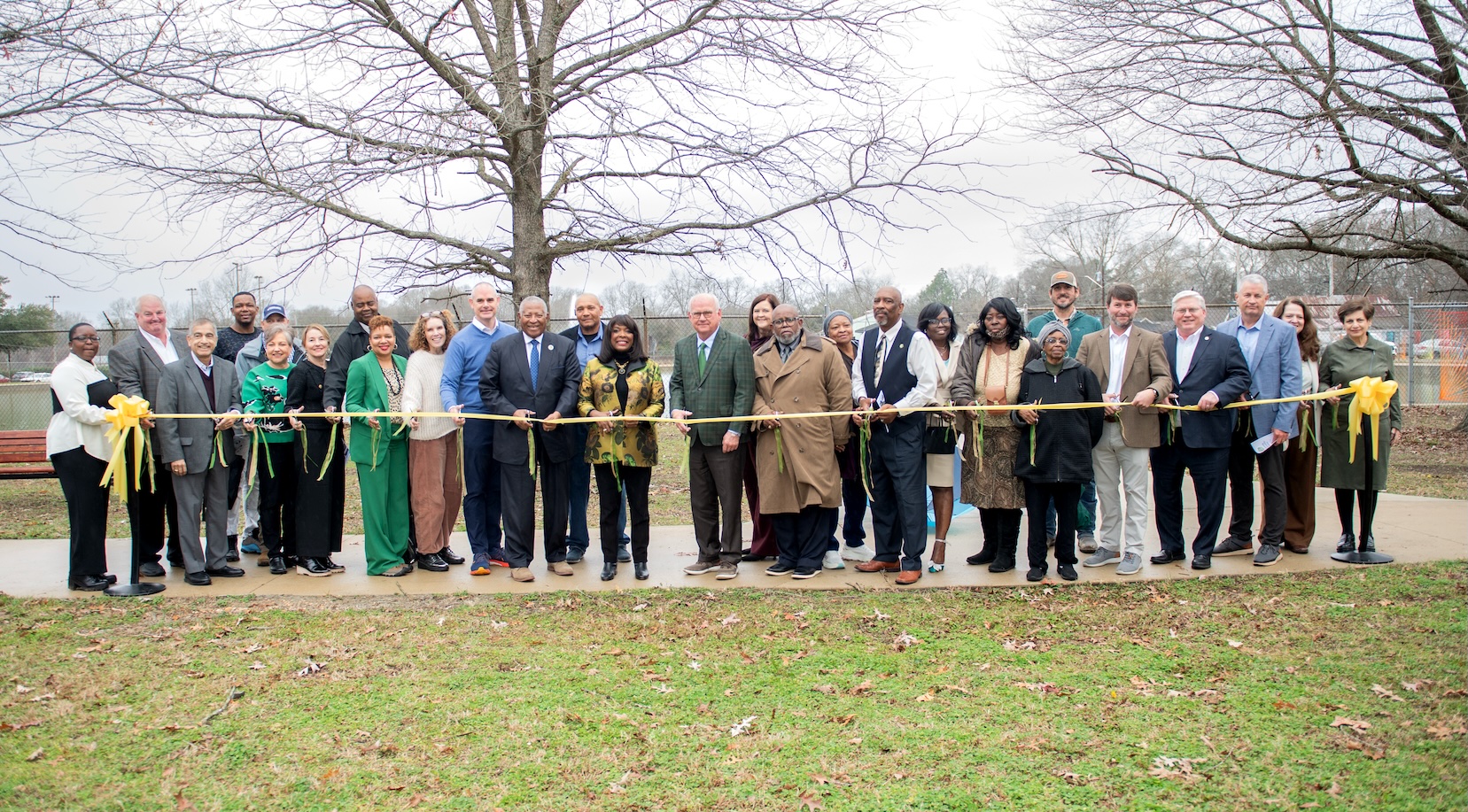
The City of Selma has officially entered into a partnership with LiveHealth Alabama, a University of Alabama at Birmingham (UAB) initiative, to improve public health through community-wide infrastructure upgrades and expanded medical access. The partnership, funded in part by a $2.47 million gift from Novo Nordisk, makes Selma the first expansion site for the program outside of the Birmingham area. The initiative focuses on making good health simple by addressing the social determinants of health, including physical activity, nutrition, and preventative care. “This is a collaboration that we are very excited about because it’s not just about a single event; it’s about changing the lifestyle and the environment for our citizens,” said Debra Mosley, Executive Assistant to Mayor Johnny Moss III. “We are working hand-in-hand with UAB to ensure that these resources reach every corner of our community.” The partnership has already resulted in significant improvements in Ward 8, specifically around the East Selma Community Pond and Park, including the restoration of walking trails, the installation of a new fountain, and the repair of over 4,000 feet of sidewalks. In addition to infrastructure, the program provides free health screenings with a mobile wellness van and pop-up clinics at local churches. Early data from these screenings revealed that 20% of participating Selma residents were uninsured, while 32% lacked a primary care provider. “The data we are collecting is vital,” Mosley said. “It allows us to see exactly where the gaps are. When we see that a third of our people don’t have a regular doctor, it tells us that the mobile units and the community health coaches aren’t just a luxury, they are a necessity.” The partnership also includes the LiveHealth Alabama Designation, a program that encourages local businesses, schools, and faith-based organizations to adopt healthy standards. To earn the designation, organizations must meet specific requirements, such as offering healthy vending options, providing nutritional information on menus, or hosting annual educational sessions on wellness. According to program guidelines, the designation process involves a tailored assessment to evaluate an organization’s current health strategies and develop a timeline for new initiatives. “We want our local businesses and churches to lead by example,” Mosley said. “By becoming designated partners, they are helping to create a culture of health that will last for generations.” The initiative has also partnered with the Alabama Department of Insurance to provide “Strengthen Alabama Homes” grants. So far, 40 homeowners in East Selma have received grants of up to $10,000 each to make home repairs and improvements, helping to stabilize the neighborhood’s housing stock alongside the health-focused renovations. Looking forward, the City of Selma and LiveHealth Alabama plan to expand the program to other wards. The city hopes the model used in East Selma, combining built environment improvements with direct medical outreach, will serve as a blueprint for rural health reform across the state.